
Finding a valuable dollar coin in everyday change sounds unlikely, yet it happens more often than most people expect. Modern rare dollar coins circulate quietly, pass through vending machines, banks, and transit systems, and sometimes return to wallets unnoticed. The key is knowing what to check first, without tools or specialist knowledge.
This guide focuses on quick visual and physical checks that separate ordinary $1 coins from pieces worth real money.

Start With the Type of Dollar Coin
Not all dollar coins deserve equal attention. Some series are far more likely to hide value than others.
Pay closest attention to:
Sacagawea Dollars (2000–present)
Especially early 2000 issues and coins with unusual feather details, color differences, or size anomalies.Presidential Dollars (2007–2016)
These are the most common source of valuable errors in spare change.Eisenhower Dollars (1971–1978)
Larger coins, sometimes confused with modern dollars. Certain versions contain silver or command premiums in uncirculated condition.
If a dollar coin feels unusually large, heavy, or unfamiliar, pause before spending it. Try checking it with the best coin identifier app to find the truth.
Check the Date and Portrait Immediately
A fast scan of the date and design through the free coin app eliminates most common coins in seconds.
2000-dated Sacagawea dollars deserve a second look. Some varieties from this year are among the most valuable modern dollar coins.
Presidential dollars from 2007 are prime candidates for missing inscriptions.
Eisenhower dollars from the early 1970s may contain silver depending on strike type.
Coins dated after 2012 are usually common unless a clear error is visible.
Edge Inspection: The Fastest Value Test
The edge often tells the full story.
Roll the coin gently between your fingers and look for:
Missing or incomplete edge lettering
Double or uneven lettering
Completely smooth edges on coins that should have text
Presidential dollars without edge lettering are among the easiest high-value finds in circulation, sometimes worth hundreds even without perfect condition.
Trust Weight and Feel Over Shine
Shiny coins are not automatically valuable. In fact, overly bright surfaces often indicate cleaning.
What matters more:
Does the coin feel heavier than expected?
Is the thickness slightly off?
Does the diameter match other dollar coins exactly?
Weight and proportion errors often signal wrong planchets or mules, which are among the most valuable modern mint mistakes.
High-Value Errors You Can Spot Without Tools
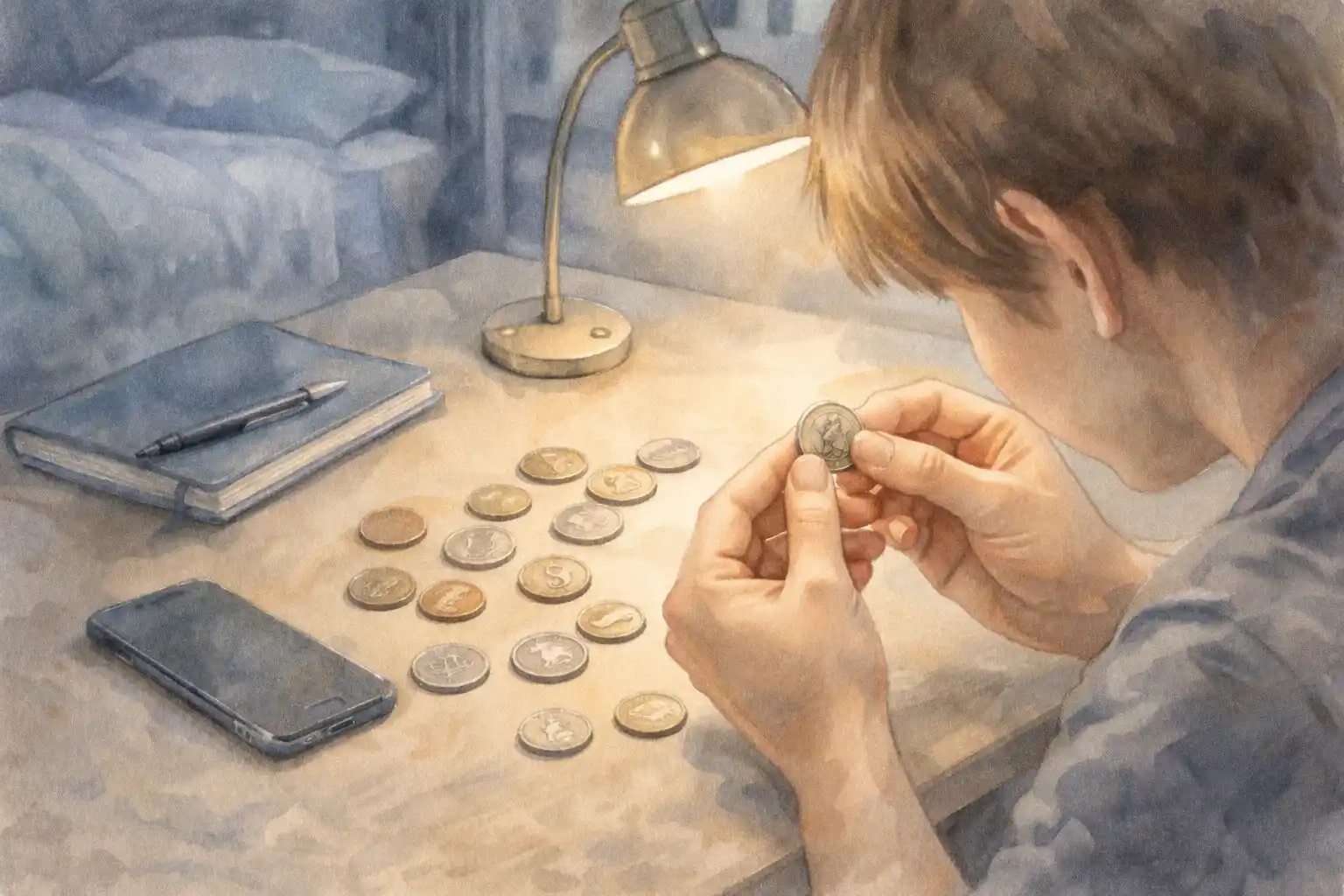
Once a dollar coin passes the basic checks, the next step is looking for specific error types that regularly create three-, four-, or even five-figure prices. These are not subtle museum-level diagnostics. Most can be spotted with the naked eye if you know what to look for.
Mule Errors: The Ultimate Jackpot
A mule happens when two designs meant for different coins are paired together.
The most famous examples involve:
Sacagawea dollar reverse + Washington quarter obverse
Presidential obverse paired with the wrong dollar reverse
Warning signs:
The coin looks slightly smaller or larger than normal
The obverse and reverse feel stylistically mismatched
Edge thickness does not match other dollar coins
Even worn mule coins can exceed $50,000, making them the single most important anomaly to recognize.
Missing or Partial Edge Lettering
Presidential dollars were struck with edge inscriptions added after the main strike. That extra step created an opportunity for mistakes.
Look for:
Completely blank edges
Incomplete phrases
Double or rotated lettering
The 2007 George Washington dollar without edge lettering remains the most commonly found high-value modern dollar error. Certified examples regularly trade in the $200–$500 range, even in modest condition.
Wrong Planchet Strikes
Dollar designs struck on metal intended for smaller coins stand out quickly.
Common indicators:
Coin feels lighter than normal
Diameter does not match other dollar coins
Edge looks too thin
Examples include:
Sacagawea design on quarter or dime planchets
Dollar coins struck on foreign blanks
Values range from $500 to over $5,000, depending on clarity and certification.
Doubled Dies and Strike Anomalies
Not all doubling is valuable, but real doubled dies show clear separation, not flat shadows.
Focus on:
Letters in “LIBERTY” or “IN GOD WE TRUST”
Facial features on portraits
Repeated outlines visible under angled light
Minor strike errors may bring $20–$50, but strong doubled dies often exceed $300 once verified.
Use Comparison, Not Guesswork
The fastest way to confirm suspicion is comparison:
Place the coin next to a normal dollar of the same year
Compare edge text, thickness, and diameter
Note differences immediately instead of relying on memory
Many collectors quietly miss valuable coins simply because they never compare them side by side.
What to Do After You Find a Promising Coin
Spotting a potentially valuable dollar coin is only half the job. Many profits are lost after discovery due to poor handling, rushed selling, or trusting the wrong advice. This final step focuses on protecting value and confirming authenticity.
Isolate the Coin Immediately
Once a coin looks unusual, remove it from circulation.
Do this right away:
Place it in a paper envelope, coin flip, or soft cloth
Keep it separate from other change
Avoid rubbing, wiping, or washing the surface
Even light cleaning can cut value by half, especially on error coins.
Verify Weight and Specifications
Before assuming rarity, confirm basics:
Modern dollar coins weigh 8.1 grams
Silver Eisenhower dollars are much heavier
Clad dollars are non-magnetic
A small kitchen scale is often enough. If weight or size is off, chances of a real error increase sharply.
Document Before You Decide
Clear photos matter more than opinions.
Take pictures of:
Obverse and reverse
Edge lettering or lack of it
Side-by-side comparison with a normal dollar
Good photos protect you from misjudgment and help professionals give accurate feedback.
Avoid Quick Online Sales
Many valuable dollar coins are undersold because sellers rush.
Avoid:
Selling raw coins with “rare error” titles
Trusting unverified appraisals in comments
Accepting first offers from local buyers without comparison
Check completed sales, not asking prices. Certified results set the real market.
Certification Is the Turning Point
If a coin shows strong signs of an error or mule, professional grading becomes essential.
Third-party grading:
Confirms authenticity
Protects the coin physically
Unlocks serious buyer interest
Uncertified coins often sell for 30–60% less, even when genuine.
Build a Habit, Not a One-Time Search
The best finds come from routine:
Checking vending machine returns
Examining bank rolls
Reviewing change from travel or transit systems
Most valuable modern dollar coins were found accidentally by people who simply paid attention.
You don’t need expert tools or years of experience to find valuable dollar coins. You need:
A trained eye for edges and proportions
Patience after discovery
Discipline not to damage or rush the sale
Spare change still hides real money. The difference lies in knowing when not to spend a dollar.