
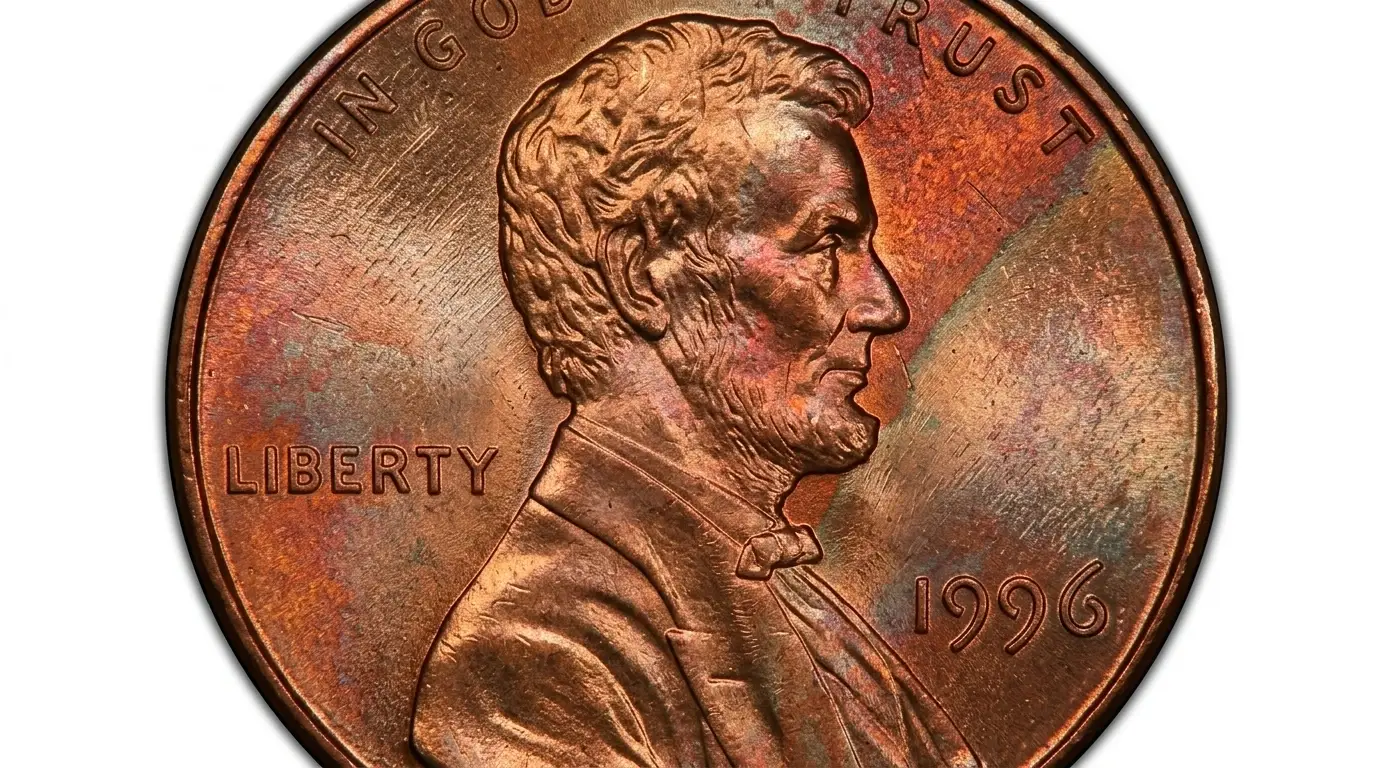
Pennies produced in 1996 represent significant objects for modern numismatic study.
Market demand shifts annually, creating distinct pricing patterns for high-grade specimens.
Condition remains the primary driver of the 1996 penny value.
Parameter | Specification |
Face Value | $0.01 |
Issue Period | 1996 |
Surface Material | Copper-plated metal |
Core Material | Base metal alloy |
Standard Weight | 2.5 grams |
Diameter | 19.05 millimeters |
Edge Type | Smooth |
Minting Facilities and Distribution
Two primary minting facilities produced these coins.
Philadelphia mints released coins without a mint mark.
Denver facilities utilized the D mint mark to distinguish production runs.
High production volumes necessitate precise sorting to locate valuable variants.
Mass production limits availability for pristine, non-circulated items.
Collectors focus on specific mintages to complete high-quality sets.
Grading Standards and Market Impact
Sheldon scale grading systems determine final valuation.
MS60 represents the baseline for uncirculated items.
MS70 signifies a perfect specimen devoid of visible surface imperfections.
High-grade coins demonstrate superior strike quality.
Valuation increases exponentially as grade levels rise.
Pricing Trends by Grade
Recent auction results highlight consistent appreciation.
1996 (No mark) MS65 price: $5.50
1996 (No mark) MS67 price: $35.00
1996 (D) MS65 price: $6.00
1996 (D) MS67 price: $42.00
Mint Errors
Manufacturing anomalies elevate specimen desirability significantly.
Expert identification requires a free coin value checker and precise light angles.
Double Die Observations
Stamping dies failing to align correctly produce doubled images.
Letters and numerical dates exhibit overlapping features.
Secondary impressions provide clear evidence of mechanical misalignment.
Off-Centre Strikes
Incorrect positioning of planchets leads to partial imagery.
Missing peripheral details characterize these errors.
Significant offsets command substantial premiums at auction.
Die Cracks and Retained Clips
Fractured dies leave raised lines across the surface.
Metal flow imperfections cause distinct textural anomalies.
Minor cracks appear frequently, whereas severe fissures remain rare.
Annual Market Value Growth
Data collected from 2024 through 2026 indicates positive growth.
Price increases reflect rising collector interest in perfect coins.
Percentage change 2024 to 2025: +12%
Percentage change 2025 to 2026: +15%
Average annual growth for MS67: 13.5%
Forensic Authentication Procedures
Verification steps ensure integrity of the specimen.
Comparison against official mint standards prevents misidentification.
Checking magnetic properties confirms material consistency of the core.
Measuring dimensions confirms authenticity against counterfeits.
Utilizing high-resolution imaging captures microscopic surface details.
Storage and Preservation Protocols
Environmental factors directly impact long-term surface quality.
Exposure to humidity initiates degradation of the outer plating.
Storing specimens in airtight containers mitigates oxidation risks.
Maintaining low humidity prevents spotting and discoloration.
Protecting the surface finish maintains maximum resale value.
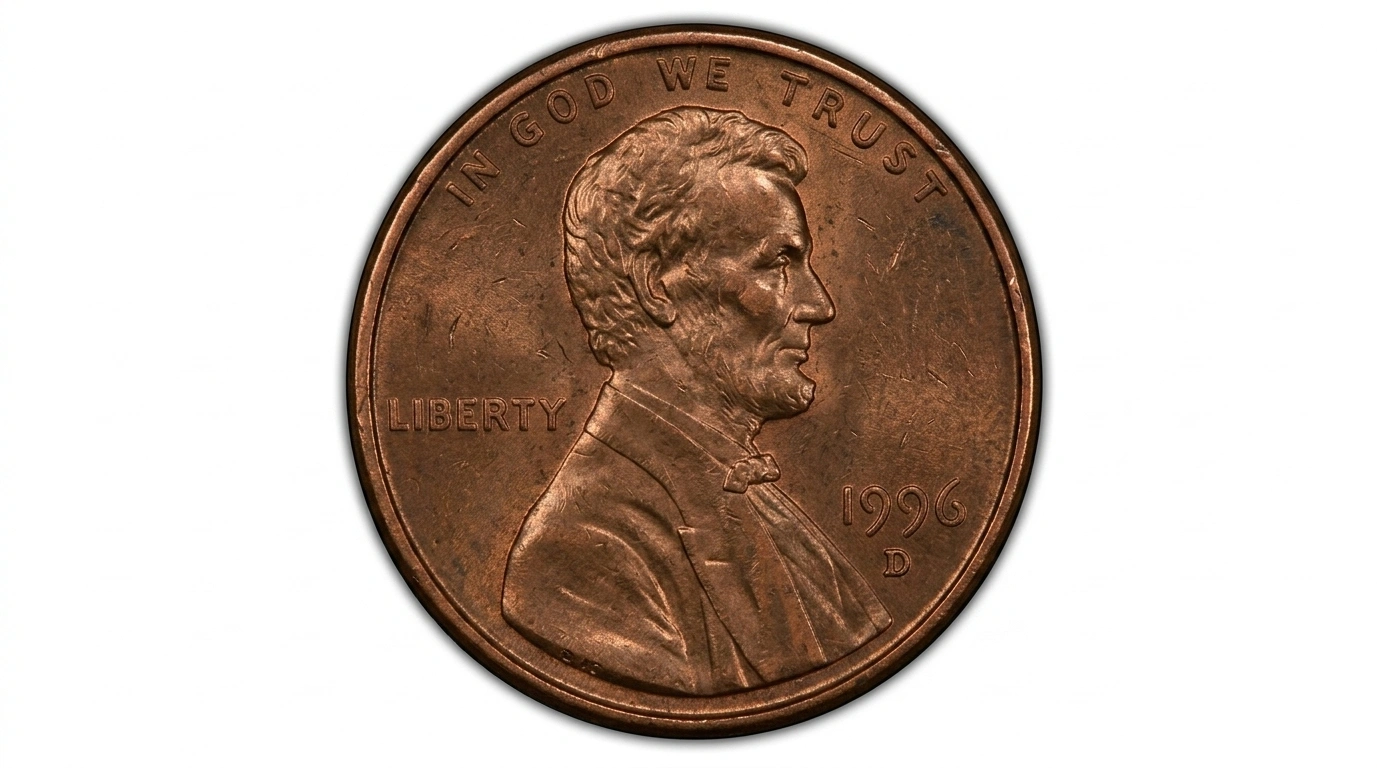
Detailed Error Classification
High-Priority Errors
Double die strikes command premium market interest.
Off-centre production exceeding 50% remains highly coveted.
Significant misalignment indicates mechanical failure during production.
Low-Priority Errors
Minor die chips appear regularly.
Small surface abrasions caused by mechanical handling lack investment value.
Traceable production irregularities assist in identifying specific mint runs.
Forensic Evaluation Workflow
Following a logical assessment process optimizes results.
Clean the surface gently using non-abrasive tools.
Examine the date and mint mark via the best coin identifier app free.
Compare the weight against the 2.5 gram standard.
Certify the coin through an authorized grading institution.
Document the final grade for resale records.
Comparative Analysis of Mintage Volumes
Philadelphia mint facility output: 6,168,000,000 pieces.
Denver mint facility output: 6,936,000,000 pieces.
Total production figures confirm high circulation rates.
Rarity exists primarily in the top 1% of surviving specimens.
Circulated coins generally remain at face value.
Strategic Investment Considerations
Focusing on high-grade pieces ensures liquidity.
Professional grading simplifies future transaction processes.
Avoiding damaged coins prevents capital loss.
Consistent research stays ahead of market movements.
Tracking auction hammer prices validates individual asset worth.
Advanced Surface Examination
Analyzing the copper-plated metal layer requires expertise.
Checking for exposed interior core material reveals deep scratches.
Verifying edge smoothness confirms genuine minting equipment usage.
Noting strike sharpness defines overall visual quality.
Excellent surface retention justifies higher market pricing.